Author: machebebrand

  • Joe Milbourn, Headcount: Genocide or Jail?

    Joe Milbourn, Headcount: Genocide or Jail?

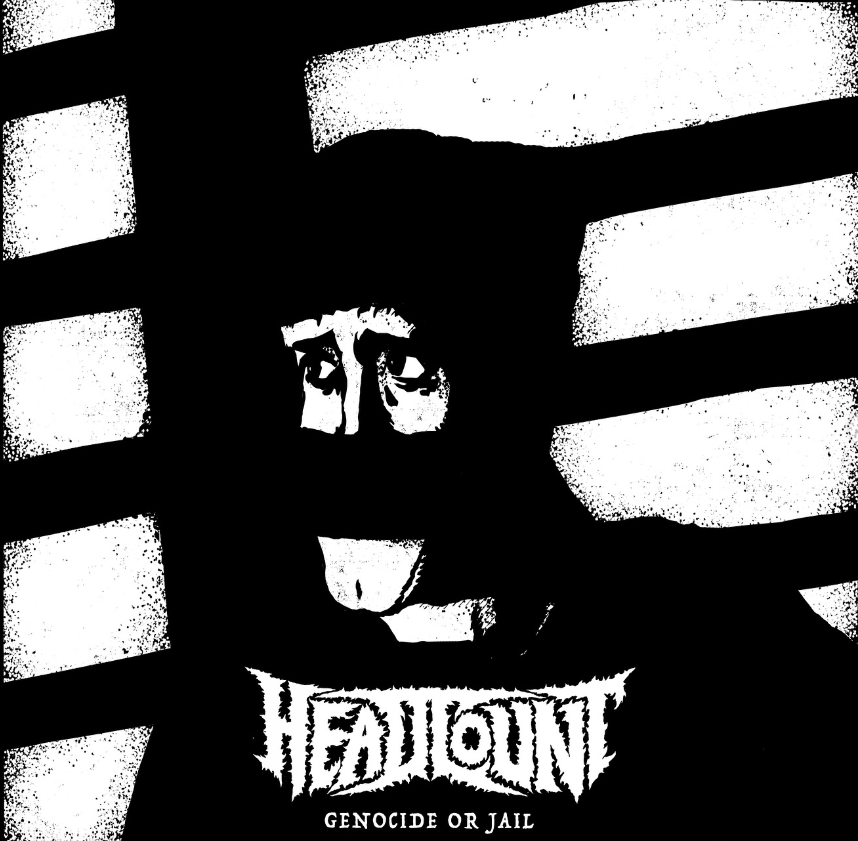
    I recently had the opportunity to sit down with Joe Milbourn of Headcount to discuss his band’s new single, “Genocide or Jail.” Headcount is a fresh, heavy Hardcore/Thrash band who have been killing it in the UK. In this interview, I took the opportunity to discuss childhood, inspirations, and Headcount’s next steps with Milbourn, as the band continues to grow their audience in both the UK and the US.


    Hey Joe, tell me a little bit about your childhood in Hertfordshire and how you discovered hardcore? Did you follow the metal-to-hardcore pipeline, or did you take a different route?

    I grew up in Hertfordshire, a pretty straight, normal childhood, and I didn’t really have any involvement in music whatsoever, until I got to secondary school, or as you guys would say, high school.

    My first couple of years there, I found myself spending a lot of time in the music department. One of my best friends was big into Iron Maiden, Motorhead, and Metallica. And I remember him initially trying to play me some of this music [metal], and I was just like… get this out of my ears, man. This is so loud, and it’s really abrasive. This is… this is unbearable. But, some sort of Stockholm Syndrome must have set in, and as I listened to [metal] more, I was like, oh… It’s actually really good.

    I’m very much a hyperactive person. I need to be constantly occupied. Metal was really the genre for me, because obviously it’s so intense, and it requires your full attention, so I sort of got into metal through that. With Hardcore itself, I’d say that I wasn’t actually aware of… or around Hardcore until I had gone to university in Brighton.

    Brighton has a really great Hardcore/DIY scene, with a few very good venues. For example, Dalton- shout out to them- they’re a great venue right by the seafront… Cali Club, I went to see a couple of gigs there. After seeing [these] bands play, and seeing friends-of-friends bands play, I was like, this genre… Hardcore is something I need to look into more, right? Because it felt like the best parts of metal and the best parts of punk, meshed in a way that is really unpretentious and unapologetic, it gets to the point.

    Could you tell me which records have had the greatest impact on your playing, specifically?

    That’s such a difficult question… yeah, you’ve opened a Pandora’s box there, man. You might have to ask me to shut up...

    The records that instantly stood out to me growing up were Metallica’s. And I still think, to this day, that original run of ‘Kill Em All’ through ‘The Black Album,’ is just one of the most consistent parts of their discography- it’s just got so much variety within it.

    I mean, it’s so hard to choose, but if I were to pick an album that’s probably most influential on me… It’s very cliche, but I’d probably say either ‘Master of Puppets’ or ‘And Justice for All.I think… ‘And Justice for All’ tends to be a divisive one with people, because the production on it is very bleak and dry, and it can sound a bit like…I don’t know, demo-y. Like, you just taught someone how to scoop the mids on their amplifier, and then next thing you know, they’ve got this guitar tone that just sounds horrible.

    Those albums are not only incredibly heavy to this day, but they have an incredibly consistent level of songwriting. To the point where almost every song on ‘Master of Puppets’ has a hook that sticks with you. I mean, if I were to find that album today, I reckon I could go weeks just listening to it, because each song is so catchy.

    So… in a very long-winded answer, yeah, I’d say the most influential album for me was probably ‘Master puppets,’ and then as I started getting heavier and heavier, as most people do. I just wanted to find something heavier than the next, you know?

    I think Sepultura were a huge influence on me as well, because they have this sort of… tribal element to their music… but they’ve also got something I think is very punk. You can see that in their covers and live performances, but they were all about playing as quickly as possible, with as much intensity as they could give. And for me. I’ve been a vocalist with bands as well. Max Cavalera’s vocal style, the way he vocalized for Sepultura, had a huge influence on me. We’ve got a similar vocal timbre when doing lower stuff, so I took a lot of influence from [Cavallera].

    So… God, I mean, as you can probably tell, I could go on forever, but those two artists, Metallica, Sepultura, and the albums ‘Master of Puppets’ and ‘And Justice for All‘, those are the ones that come to mind for me.

    I understand that Headcount is a newer band in the hardcore scene. With that being said, how was the recording process for “Genocide or Jail?” Was it a new experience to get into the studio?

    I mean, it was my first time actually getting in the studio with the boys and recording something together. The whole process of recording was kind of ridiculous, because we had the most packed month of August this year. We had our performance at Bloodstock, which was a huge deal to us, and then we had a little break. We went home and let our throats recover, let our bodies recover, and… let our livers recover. Then, a week later, we headed up north to Country Durham, which is where Alfred (the guitarist) lives, to record. And we also put “Genocidal or Jail” down.

    That was really exciting, because that song at that time was really fresh off the press. The space in between me writing that song and then eventually recording it was all within, like, the space of a month. Which is really quite crazy.

    But yeah, recording that song in particular was a massive ballache. I only really had myself to blame, since I wrote the guitar riffs, but it has this really dissonant E string at the start of the song. That one really requires you to sort of string skip between your bottom and top string pretty consistently. You’re doing quite a complicated rhythmic pattern. Recording that, we all sort of sat there, just scratching our heads, like, who wrote this? I mean, we knew who the culprit was; it was me, but it was… yeah, it was a bit of a grueling one. But just to hear that song out and finally in people’s ears is just such a relief, and we’re all massively proud of it.

    What was the inciting incident for your new single? “Genocide or Jail” is a pretty charged title. What ideas or conversations were you hoping to spark with it?

    Straight up, I won’t write a song unless I feel particularly strongly about something. The idea for “Genocide or Jail” came from a debate I’d been having with one of my family members. I don’t know how specific I want to be about this, right? Because what I worry about sometimes is that people will forget that it’s a song at the end of the day. The purpose of my music is to give people enjoyment. I don’t want “Genocide or Jail” to end up analyzed like it’s… a political paper or a dissertation. I don’t want people reading it and being like, “hmm, there are flaws in this logic,” you know what I’m saying.

    Obviously, it doesn’t take a genius to figure out which contemporary event, or events (plural), inspired the title. But it just came from the moral question of… if you were a soldier who was put in a situation where your armed forces are committing what is pretty blatantly a genocide, or what is widely recognised as one. In that situation, what do you do? Do you go along with conscription? Do your time in the army, one or two years, who knows? And then wash your hands of it and say, I’m done, and try not to think too much about the consequences, or do you say, I recognize how f*****d up this… oh, sorry, excuse my French.

    So, that’s sort of where the title of the song came from. And it’s a really difficult moral question, to some people at least, but I just found it to be a really interesting dynamic, and something I could write plenty about. And obviously, as I said, there are a lot of very strong feelings attached to that song and its lyrics. But, I feel like if I go too into depth with them, as I said, people might just overanalyze it, and that’s what I worry about. At the end of the day, I want people to jam, man.

    Switching gears a little bit, where do you feel you fit within Headcount’s overall sound and chemistry?What role do you feel like you play in Headcount?

    I only really got the spot because the band had a gig coming up. Alf, my best buddy from secondary school, basically said, “Our vocalists can’t make the gig. Do you reckon you can fill in for him?” I was like, I can’t really turn this down. I didn’t really have any musical outlet in my life at that point, so I basically said, f*** it, yeah, I’m gonna do it.

    So I ended up in the band basically just by happenstance, you know? It was sort of a coincidence, to be honest, but after that gig, and after just hanging out with the boys, I realized that it was a really good dynamic, and most importantly, there was so much drive and determination to make something out of this. I think as I get older, the more time I want to dedicate towards making this sort of dream a reality. So that’s why I joined the band. And sort of where I see myself at the moment.

    In the structure of the band. I think my greatest strengths have to be songwriting and composing. I think, as an organizer, that’s where I fit in most with the band.

    I took on quite a bit of responsibility in terms of putting our songs together, and I think I’m quite good at it. For example, if someone hands me something and says, “I like this track,” I’ll listen to it, and be like: “Yeah, 4 minutes of it are fantastic, but there are 4 other minutes in it, making an 8-minute track that we just don’t need.” I think that’s something I’m quite good at…understanding where you can cut the fat off.

    So, yeah, I’d say for my place in the band at the moment, I’m pretty happy to be one of the main compositional elements. I love writing for the band.

    I think also, in terms of the artistic direction… your sort of aesthetic as a band is a huge deal. Especially in the social media world, where people only really perceive you through what you post on your Instagram, what they see on their YouTube feed, etc.

    I chose the cover art for Genocidal Jail. Hopefully have some new merchandise coming out, which I designed, and I’m really proud of it. I think that helping to steer the band in an aesthetic direction that’s sort of consistent is so important. So, yeah, I take a big hand in doing that stuff too.

    Just wrapping things up, where is Headcount headed next? What should fans expect from the upcoming album? Is there anything in particular that fans should look out for?

    Basically, our priorities at the moment are tying up everything with a bow for our next release. I can’t guarantee a release date yet, but we’re aiming for the start of next year, so early 2026. We’re also going to release some extra content related to [Genocide or Jail].

    This album is just gonna be full of stuff people haven’t ever heard on record. I want people to be able to listen front to back, enjoy each song individually, and then get a nice, sustained experience out of the album, man. So yeah, that’s kind of the gist of it.
  • Nomad 2, Ryan Bucklar: Evolved, Atmospheric, and Ethereal

    Nomad 2, Ryan Bucklar: Evolved, Atmospheric, and Ethereal

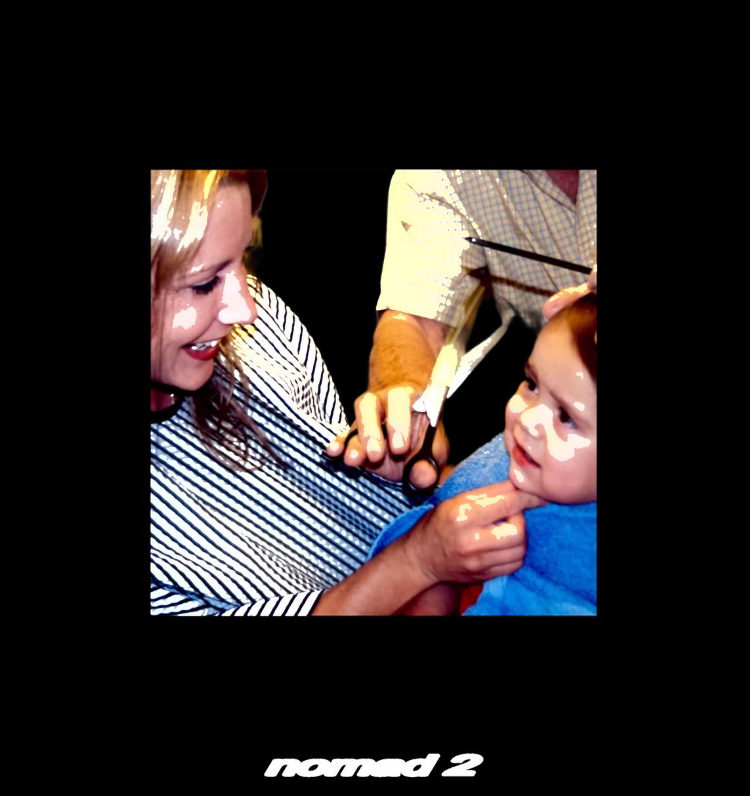
    When I met Ryan Bucklar three years ago, I knew that he was onto something special. His newest album, Nomad 2, is a combination of ethereal sounds and imaginative storytelling that creates a sense of Euphoria that I haven’t heard from an electronic album in a long time.

    The album begins with strong, heavy-hitting tracks, such as “We Are Your Friends” and “Mad Jam,” which punch into your brain with their trance-inducing synthesizers. Bucklar was intentional with placing these tracks at the start of the album, making it clear to the listener that Nomad and Nomad 2 are similar yet extremly different. The ethereal and experimental elements on this album are reminiscent of Bucklar’s debut project; Nomad. However, the energetic synthesizers and basslines of the album create a euphoric mood that morphs from one track to the next, building upon Bucklar’s previous discography without detracting from it.

    As the album continues, we happen across “Hey!” an atmospheric track that pumps your ears with lush downtuned pads. This song is the album’s first attempt into a darker atmosphere, but it’s clever with it’s direction. The pads used lulls the listener into errie sirenity throughout the introduction of the track. This serenity is soon broken, interupted by an overdrived bass giving the listener a sonic edge they’ll feel throughout the project. This formula is also seen in tracks like “Paloma” and “2014,” which both implement etheral vocals tracks that build to a heavier drop. However, both drops subvert expectations by using bass as a juxtaposition to both atmospheric pads and synthesizers. One thing that really sticks out about these tracks in retrospect, is the intentionality of structure, gone is the raw and DIY nature of Bucklar’s ealier works, instead intentionality gives room for Bucklar to grow and make these tracks feel polished and energenic.

    All in all, Bucklar’s growth in regard to both his sound and storytelling on Nomad 2 is immense. When listening to the album one gets the idea that this is a journey that Bucklar is emarkening on with the listener- one seeped with intentionality, depth, and structure. While I do miss some of the grit found from Bucklar’s earlier sound, the later half of the project creeps in that direction of raw edge. Nomad 2 utlimatley feels like fresh step in Bucklar’s discography and I’m looking forward to new releases from him in the future.

    Rating: 8/10

    1. We Are Your Friends – 0:59
    2. Mad Jam (feat. Sque3eze) – 2:41
    3. With You – 2:31
    4. Hey! – 2:28
    5. Noamd, California – 1:13
    6. Paloma – 2:46
    7. 2014 (Club Version) – 2:45
    8. E320/ Metal / Heaven – 3:02
    9. Passage – 2:14
    10. Get Into It – 1:51

  • Hyperpop and the Limitations of Genre

    Hyperpop and the Limitations of Genre

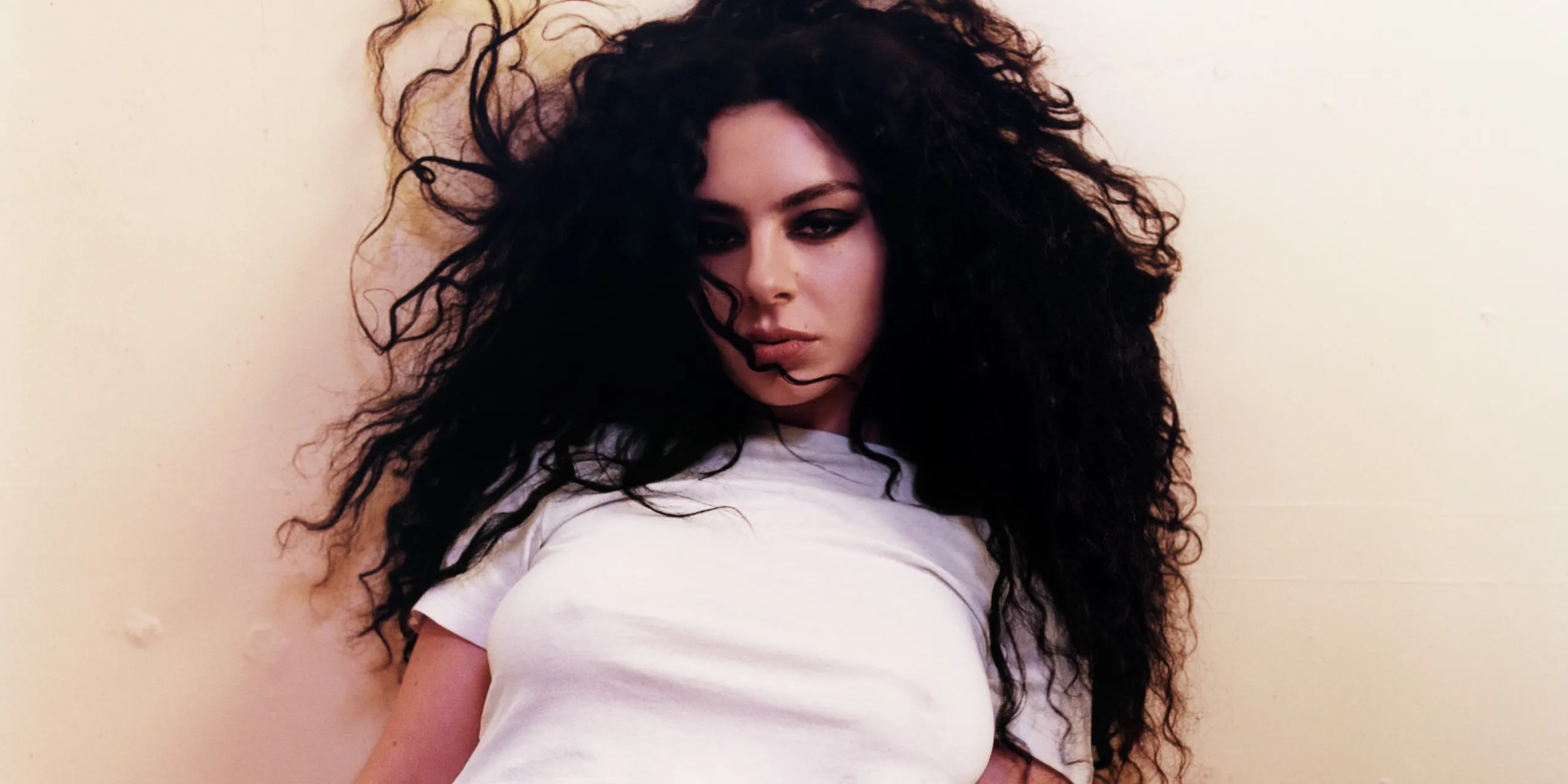
    When looking at ‘hyperpop,’ it’s easy to lump artists under the glitchy, overindulgent, and ‘hyper’ soundscape that’s been linked to the genre. However, when looking at the cultural and ‘Pop’ connotations of this new moment in music, the question posed by artist Charli XCX is pointed. She asks her Twitter fans, “What is Hyperpop?”1

                In the general sense, ‘Hyperpop’ is a genre that was created in the UK in the early 2010s through a label called PC Music. The genre is defined as a “Maximalist and deconstructed approach to pop music.” Due to artists such as SOPHIE, Hannah Diamond, and Charli XCX, the genre eventually reached the modern mainstream in the early 2020s; as both a serious, solitary genre, and as backing tracks on short-form content platforms, such as TikTok and Instagram.2

                However, when attempting to pinpoint the soul of the genre, the implications of ‘Hyperpop’ become complicated. Starting with aesthetics, it’s simple to spot the links to ‘Hyper.’ Artists such as SOPHIE create a symphony of electronic bliss with tracks like Ponyboy, establishing a frenzy of sound that fits the mold of ‘Hyper’ to a T. On the contrary, when looking at the aesthetics behind the word ‘Pop,’ things become a bit more unclear. There are certainly instances of the ‘Pop’ aesthetic in ‘Hyperpop,’ with lyrical motifs from artists like Charli XCX, exploring common themes like nostalgia or a radio-friendly structure, especially on tracks like Apple–giving more credibility to the idea that the two genres are linked. However, when looking deeper into the aesthetics of ‘Pop,’ the motifs connecting the two quickly fall apart. Historically, ‘Pop,’ as a genre, has been concerned with cuteness and softness, with artists like Taylor Swift, Olivia Rodrigo, and Sabrina Carpenter fighting for a crown of non-obtrusiveness in the modern day. Their music is safe and accessible for a large audience regardless of age, politics, and casualty. This notion of ‘Pop’ struggles to fit in when compared to its self-imposed sub-genre, ‘Hyperpop,’ which historically doesn’t pretend to be for everyone; the genre is steeped in Queer and Trans culture, it’s energetic and abrasive, it’s most things that ‘Pop’ is not. I believe this to be where the two genres separate; in fact, I would question why they were considered joint in the first place.

                Following this line of questioning, it’s important to look at what the genre and aesthetics of ‘Hyperpop ’ do for an artist’s image. Does it create a community of like-minded artists, or does it lump an unconventional sound into a forced sense of accessibility? Circling back to Charli XCX, she herself doesn’t consider her music to be a part of any genre-specific sound, stating on Twitter that “[she] doesn’t identify with music genres.”3 This push away from a defining genre seems to be a common theme throughout ‘Hyperpop’ discourse, with the multi-genre ‘Hyperpop’ artist Bladdee also expressing his opinion on the movement. Bladee mostly fixates on the fact that labels and genres limit music, especially when creating an experimental sound.4 This begs another question- who gets to define this sound: the artists who created the soundscape, or the industry which pushes it? Looking at streaming services like Spotify, one could argue that corporations continue to push the label of ‘Hyperpop,’ Glitchcore,’ and ‘Indie Electronica’ in an attempt to distance themselves from the musical roots the genre was founded upon. “Hyperpop is a simulation” is the tag that reads on Spotify’s ‘Hyperpop’ playlist, which launched in 2019, roughly. The playlist consists of new-wave artists like 100Gecs, Drain Gang, and Midwxst, all artists in their teens or early twenties, and all dispersed under the eclectic sound of the experimental internet. However, despite this isolation and distance of this sound, one thing this collective of online producers doesn’t connect to is the ‘Hyperpop’ label itself.

    Midwxst – Photo: Tim Mosenfelder/Getty Images

    Midwxst, an 18-year-old breakout underground artist, spoke to this notion. His press release for his debut EP Back in Action, urges fans and critics alike not to fall into the trap of genre, “He’s part of this group of young kids leading this new subset of music… but he’s definitely not boxed into the hyperpop sound and on his new music he flows beyond the genre,”5 he says. Apple Music only serves to further confuse artists with its take on ‘Hyperpop,’ with the creation of a sound-specific playlist ‘Glitchcore,’ and yet another label that young creatives must adhere to remain relevant. However, it’s also important to acknowledge the value of corporations to artists seeking Hyperpop stardom. Without the corporate creation of these genres and playlists, many of the artists currently fighting for their own sound and representation would have gone undiscovered, continuing to make music in their bedrooms with little to no impact on modern-day discourse. Artists under the ‘Hyperpop’ umbrella, such as Midwxst and his colleagues, Angelus and D0llywood, all fall into this category. Yet they continue to fight for their own personal sound, with D0llywood saying to Dazed magazine: “We’re not PC Music, we’re not glitchcore. We’re hyper kids making pop. The pop is loud, it’s hyper.”6 The artists mentioned would eventually go on to create their own label/genre, Digicore, for young electronic producers to congregate under without the pressure of algorithms or corporate ties.

                This redefining of genres is important to many of the newer generations of ‘Hyperpop’ musicians, but what about the purveyors of the genre? PC music was both a label and a musical genre created in the United Kingdom. The label served to prop up new-wave, queer, and experimental artists such as SOPHIE and Hannah Diamond, legends in the now ‘Hyperpop’ space. The label was a way forward for ‘Pop’ of the time with “PC Music [rejecting] a dark, murky underground electronic sound… [helping] define a new kind of pop.”7 The label, which had been operating for nearly 10 years under producer A.G. Cook, closed its doors in 2023, deciding to take on a more archival role after a string of slow-releasing albums. The label’s step back signaled the end of an era for the forerunners of the ‘Hyperpop’ genre. However, the label’s shutdown signaled an even messier slew of ‘genre-ism’ that infected PC roots across the board. The new-generation and the old-generation became, in the words of Pitchfork: “[a] Frankensteinian macro-genre, referring to an array of internet artists who down genres like cocktails and love the fuck out of Auto-Tune.”8 This cataclysm of genre and form has led to murky waters for the artists involved in the movement; as aforementioned, the new generation doesn’t assimilate, and the old generation is something else entirely. With this conflict between artist and genre on the brain, it’s time to address the question that Charli XCX posed: “What is Hyperpop?”

    A. G. Cook, photo by Alaska Reid

                In short, ‘Hyperpoo’ is only a figment. As artists, new or old, push back against the label that confines them, one truly sees how fragmented the corporate idea of ‘Hyperpop’ is across the soundscape. ‘Pop’ itself is lost on artists within the ‘Hyperpop’ sphere. The cute and comfortable aesthetics of ‘Pop’ are thrown to the wayside in favor of aesthetics that match the individual artist. Whether that’s through SOPHIE’s visual dichotomy of the natural and unnatural, or Midwxst’s Y2K-inspired internet-core, these artists refuse to assimilate to what the genre asks of them. This isn’t to say that there aren’t sonic similarities, certainly parts of the present soundscape have both ‘Hyper’ and ‘Pop’-ism in some regards, but I believe that this label rejection goes one step further than just the sonic criticism of ‘Pop’ in ‘Hyperpop’. There has never been an attempt in PC music or Digicore–genres created by artists for artists-to mask opinions or be non-confrontational, yet when looking at ‘Pop,’ a large part of the genre’s aesthetic is conformity. With that being said, some might argue that it’s important to consider the visibility the genre-labeling of ‘Hyperpop’ as a label has given to artists who want to express their opinions, and to an extent, they are right. But to mistake the genre of ‘Hyperpop’ as all that can come from PC, Queer, and New-Gen musicians is a horrendous oversimplification of a budding non-conformist movement. When looking at Charli’s question of “what is Hyperpop?” I understand where her confusion about the label comes from. What do these artists at the forefront of modern music have in common with ‘Pop’? The short answer is nothing; they are not ‘Pop’ in any traditional sense, and forcing both new and old artists to conform under a “macro-genre” simply for the sake of accessibility and profit not only sucks the soul out of this new-age experimental music, but limits artists who wish to push the envelope forward.


    1. https://x.com/charli_xcx/status/1286007438416556032 ↩︎
    2. https://www.edmprod.com/hyperpop/ ↩︎
    3. https://x.com/charli_xcx/status/1286007438416556032 ↩︎
    4. https://www.dazeddigital.com/music/article/55293/1/the-rise-and-fall-of-hyperpop-the-internets-most-confusing-music-genre ↩︎
    5. https://www.newyorker.com/magazine/2021/08/09/the-brash-exuberant-sounds-of-hyperpop ↩︎
    6. https://www.dazeddigital.com/music/article/55293/1/the-rise-and-fall-of-hyperpop-the-internets-most-confusing-music-genre ↩︎
    7. https://www.newyorker.com/magazine/2021/08/09/the-brash-exuberant-sounds-of-hyperpop ↩︎
    8. https://pitchfork.com/features/article/the-lost-promises-of-hyperpoptimism/ ↩︎

  • The Athenian Soundscape

    The Athenian Soundscape

    Music in Athens is much like the city that surrounds it. New and old come together to form a rich blend of fusion from which the city drinks. This June, I spent a few days exploring the culture, history, and musical soul of the metropolis.

    When searching for what shapes the city musically, the first thing that came to mind was raw instrumental articulation. In the Western world, this expression is at its finest in both jazz and hip-hop, with cultures, landscapes, people, and places shaping both genres. In an attempt to discover a similar cultural blend, I decided to begin with the familiar, researching Greek Jazz and Hip-Hop to unearth some of the country through a personal lens. As I embarked on my journey to Athens, I had only scratched the surface of what the city had to offer musically, but I was ready to experience as much as I could.

    Getting into the city early in the morning, I loaded what I could onto my battered Walkman, grabbed my tangled earbuds, and began my journey in earnest. I walked the city streets at an unsteady pace, adjusting my steps to match those of the people around me. Striding, I soaked in the bustle of the urban sprawl. The metropolis’s once-stark white stucco was now faded to a dull grey. Mopeds split lanes at harrowing speeds. And politics were enshrined permanently on the city’s walls.

     The first album that shot through my tangled wires was Terror X Crew’s, I Gefsi Tou Menous. Its temperament like a punch to the mouth. MCs Artemis and Efthimis sport a flow reminiscent of Hip-Hop eccentrics, such as Public Enemy, with the group’s rapid rhyme style tracking well over their contrasting sounds. Songs like “I komposta” focus on a more hard-hitting/hardcore style, highlighted by a run-and-gun lyrical tempo. However, tracks like “I epistrofi” are more akin to the experimental, with my first reaction to the track being a mix of surprise and a question… “Is this vaporwave?”. Altogether, the album was engaging, featured Greek homages, and served as a starting point for understanding the political/social climate of Athens.

    Next, I strayed towards the ancient ruins of the city. Queuing up the next track on my list, “Collection of Sand” by Thodoris Ziarkas. The single incorporates intricate yet traditional Greek woodwinds, contrasted by a jazz-inspired slap bass. The resulting sound is tangible, with native instruments, such as the Cretan lute, elevating the lineage that hung in the air. This track is interesting and unique to Greece, with traditional sounds and contemporary jazz clashing to form a sense of ‘here and back again’ as I walked through the ruins.

    After experimenting with some of the Greek sounds, I needed to know more about the local scene, and what better place to do so than a record shop? DISKADIKO – where I had the opportunity to stop – is a testament to the communal values I’ve gleaned from Greek music. The owner, Angelos, was welcoming and helpful with his recommendations, steering me in the direction of his jazz label, Trumpetfish. The albums I picked up were All We Got Is Time and Petrichor, both released in 2025 and 2023, respectively. “All We Got Is Time” is a very downtempo track, featuring a fusion of analog synthesizers and contemporary sounds. In contrast, Petrichor’s “The Coldest Summer” focuses on personal sound, with the trio lacking the accompaniment of drums. Instead, using alternate forms of percussion, with the most frequent form being through the staccato of the piano and the thump of the bass.

    As I immersed myself in the grandeur and musical history of the region, I couldn’t help but notice the similarities between the music and what I’ve seen of Greece as a culture. It shocked me how freely and openly heritage is incorporated into Athenian daily life, whether that be music that focuses on traditional sounds or the use of ancient Greek amphitheaters for contemporary events (for example, the Odeon of Herodes Atticus, which hosts the renowned Epidaurus Festival). Traditional and cultural heritage is alive and thriving in Athens, and it’s refreshing to see such an intentional focus on preserving it.

    All in all, the musical culture I experienced during my visit was impactful and showcased the rich heritage and history of Greek culture. As a visitor to Athens, I was only able to experience a small part of the city. Still, through interactions at DISKADIKO and the feelings I felt from artists such as Terror X Crew and Theodoris Zackarias. I left Athens feeling connected to its music and excited to explore more of its soundscape.

  • Project Funk Da World: Craig Mack: A Stunted Success

    Project Funk Da World: Craig Mack: A Stunted Success

    Craig Mack, also known as MC EZ, achieved rapid and fleeting success in the Hip-Hop world during the 1990s. Mack began his career in the Bronx, where he struck up a friendship with the New York hip-hop crew EPMD. Mack worked as a roadie for the crew, eventually being introduced to Sean Combs (P. Diddy) by producer Alvin Tony. Through his connections, Tony was able to secure Mack an opportunity to freestyle for the rap mogul, which ultimately led to both a record deal and a spot on Diddy’s Label, Bad Boy Records. Mack later released his most notable album, Project Funk Da World, in 1994.

    The album featured tracks such as “Get Down” and Mack’s most mainstream success, “Flava in Ya Ear.” The tracks flaunt an ambiance reminiscent of a mission control room, with layers of EQ’d vocals that mumble over track interludes, much like an intercom. The ambiance sets the scene for Mack’s intergalactic rhyme style, which was often hailed as eccentric in the world of ’90s Hip-Hop, with Diddy even saying that, “Craig is hip-hop’s George Clinton, because his stuff is really off the wall.”

    Despite his eccentric rhythm, Mack was able to gain support for his first album, with his single “Flava in Ya Ear” reaching “Gold RIAA status.” However, his short-lived stardom would soon come to an end, with many attributing his fall to the release of The Notorious B.I.G.’s first single, “Juicy,” which went gold, followed by “Big Poppa,” which went platinum. Mack was quickly overshadowed by Biggie, and as New York Times writer John Carimanica notes, “The long shadow of the Notorious B.I.G. proved difficult to escape.” However, there is nuance to the situation, as equating Mack’s ‘bad luck’ to favoritism by the label is not entirely accurate. DJs such as DJ Four Five and DJ Diamond comment on Mack’s resistance to change, noting that “Craig Mack refused the advice and instruction of Bad Boy’s founder and CEO.”

    Like all good things, Craig Mack’s career came to an end. With the lackluster release of his second studio album, Operation Get Down, his popularity would never reach the same heights. Despite all this, Mack’s legacy is still felt to this day, whether through his ‘one-hit-wonder’ status or long-standing Legacy with EPMD, Craig Mack is still spittin’ “Flava in Ya Ear”.

  • Glarus, Escapism: “Inviting People into Memory”

    Glarus, Escapism: “Inviting People into Memory”

    I recently talked with Luke Lombardelli (Glarus) about his debut album, Escapism. The producer hails from La Quinta in the Coachella Valley and has a unique electronic style that’s a breath of fresh air for current dance music. We sat down to discuss Escapism, his approach to music, and where his music is headed next…


    Well, I just wanted to start off by talking about 2025. I know that you just released Escapism. Tell me about your experience releasing your debut album. How was it?

    Yeah, so releasing Escapism was… really crazy because I’ve been working on it since 2021. It’s just a big chunk of my life -kind of an all-in-one project. It took a long time to finish, even though some of the tracks themselves took a really short amount of time; tracks like Swan, for example, only took two sessions. But, Alice was the first song I ever created… Um, back in 2021, that was the first-ever Glarus track. That took the entirety of the album-making process, because I just couldn’t mix it the way I wanted. Yeah, it’s just pretty crazy how each song is just so different, and… they’re, like, different worlds that are all part of the same cohesive story that I’m trying to tell.

    Yeah, I really enjoyed the album. I have to say that my favorite track was definitely Katla, can you tell me about the creative process behind it? How did it come to fruition?

    Yeah, that was a track I made in San Diego at my uncle’s house. I was just kind of slapping stuff together. I remember I did the drums first, and then the texture you hear in the beginning.

    Yeah, the rhythmic elements were one of my favorite parts.

    Thank you. Yeah, I did the texture first -that you hear in the beginning- and then slowly introduced the rhythm of it. Then I was like, okay, this needs some emotion, some chords, and before you know it, I was just going crazy with the sound design and the sample and everything, so… it really took a short amount of time.

    Yeah, I mean, that’s how it is sometimes. I feel like some of the catchiest songs are made in a day.

    True, and it was inspired by Iceland, that’s why it’s called Katla. I took a trip to Iceland last year...

    Did Iceland contribute a lot to the album? Did you take a lot of inspiration from there?

    The natural beauty was so inspiring… going to Europe and visiting different places really makes my music more alive and organic-sounding. And… yeah, I love getting inspiration from different places, and that’s why all the names are different. Yeah… different places have inspired the whole album.

    Hmm, okay. What particular emotions were you trying to convey through that song?

    The whole theme of the album is that I want to invite people, whoever listens to this, to the world I’ve created. The world is purely inspired by memories, my time in Iceland, Switzerland, and Paris, and all of this is just inviting people into those memories.

    Switching gears a little … what would you say was the most interesting piece of gear that you used on the album? Plug-ins, analog, anything like that?

    That’s a really good question because I made this whole album with Ableton stock plugins and Xpand2. I really just worked quickly with minimal gear. I don’t have a MIDI keyboard, analogs, or anything. It’s just my computer and my headphones. For this (Album), I was really happy with just the minimalism of it.

    So, tell me a little about how you got into making music?

    Yeah, I started making music at the end of high school in 2019. There was a guy in my business class, his name was Asael, and he was making Trap Beats or something, I don’t even remember … but we were all messing around since it was the end of senior year. I was like, what are you doing? What’s that? And he was like, yeah, this is how you make music. (I said) Oh, that’s how you make music? That looks kind of… weird, and then he was like, yeah, … You should try it. So I went home, and me, being the creative person I am, was just super obsessed with it from the very beginning. But it wasn’t until 2021 that I really got the hang of everything, and then 2022, when I actually could write a song. It was definitely a journey, it’s a journey still.

    I know you said many of your influences are from Australia and various forms of electronica. What were some of your biggest influences? Are there any artists or bands listeners wouldn’t expect you to be influenced by?

    Yeah, that’s a good question. Well, my biggest influences out of Australia would be, uh… Flume, (which) is a really monumental one. From the very beginning of music production, I was just mesmerized by how he was able to turn weird-sounding stuff… like abnormal sounds, into musical instruments and make it sound emotional. There’s also… Hayden James, of course… Rufus Du Sol… and um… so many other Australians that I should name. But in the UK, there’s Disclosure and Tourist, those are huge for me… Icarus is absolutely huge, too, and then ODESZA, but they’re from the States, um, Seattle. But I would say another band or … someone that people maybe wouldn’t expect me to gain inspiration from would be alternative bands. I really love Motorama… I love sounds that are just… natural and organic-sounding, with a folk kind of essence to it. So, like, Bon Iver… He’s a little experimental too, and I love that, but there are many others… Melody’s Echo Chamber is a pretty good influence, but yeah...

    Yeah, I wouldn’t expect those. Those are some good picks.

    I’m kind of just wrapping things up. Looking to the future, where do you see your music and yourself as an artist in, say, the next five years?

    That’s a good thought to have, especially as a new artist, um… I think it could change at any point, you know … you get noticed and then you’re touring, and then your sound changes from there, and you become more into dance. But if you don’t get noticed for a bit, then you’re doing your own thing and building this kind of collection of interesting-sounding work. Which is what I’ve been doing. I’ve been… not really focusing on the marketing or what’s currently going on, I kind of have tried to remove myself from what’s popular.

    Um, I have an upcoming project I’ve been working on besides Escapism, called Sanctuary.

    Yeah, feel free to dive into that. Do you have any inspirations? Is it going to be different from Escapism? What are you thinking about that one?

    Yeah, it’s definitely gonna be different than Escapism. I kind of… closed… that chapter of sound. I want to reach into different areas of what I’m capable of… I want to create my own sound, that’s the goal. But there are also songs I’ve made -that are potential singles- that are a little more… pop’y, or something like that.

    Is there a word that you could use to describe it?

    I would say… energetic. It’s hard because I’m the kind of person who wants to dissect all my favorite artists’ work, and put together all my favorite things into my own sound. We’ll see what the next chapter is. I think it’ll evolve.

  • “One Million”, The Latest Single from Rocket

    “One Million”, The Latest Single from Rocket

    Today marks Rockets’ newest single, “One Million, the band’s first release since signing to Transgressive Records in February. The group hails from Los Angeles, California, and includes Alithea Tuttle (Vocals & Bass), Baron Rinzler (Guitar), Cooper Ladomade (Drums), and Desi Scaglione (Guitar). “One Million” is loud and in your face, displaying plenty of ’90s influences and their signature shoegaze spin.

    The band speaks to the singles’ intention on Sterogum, saying that “’One Million’ is about wanting someone to meet you halfway but not knowing if they ever will,” the group explains. “It’s the feeling of doing everything you can, going above and beyond for someone, knowing that you would wait a million years for them just to notice how important they are to you. It’s the hoping that maybe you are as important to them as well. It’s learning to be okay with the fact that you might always love them more.”

    Alongside the release, Rocket announced their newest tour in the US, which is expected to begin this fall. The group also plans to tour the UK this summer, opening for both the Smashing Pumpkins and Mannequin Pussy. I had the opportunity to see them in Boulder last month and would highly recommend checking out their sound.

    https://www.instagram.com/p/DJoxBYHxupm/?hl=en&img_index=1 (Tour Dates)

  • ‘Psychedelic and Funky’ Mildlife, Phase: What More Could You Want?

    ‘Psychedelic and Funky’ Mildlife, Phase: What More Could You Want?

    It’s time to reflect on Mildlife, a psychedelic jazz fusion group based in Melbourne. I’m admittedly late to the party for my review of their debut album, Phase, released in 2017. However, I always return to the group’s ’70s style riffs and complex syncopation.

    The group’s formation and beginnings are hazy, originating sometime during 2010; however, the entourage has, according to Whiteboard Journal, been playing together since high school. They cite their inspirations as a combination of “Pink Floyd, Certain areas of Pink, [and] Led Zeppelin,” describing the early influences as “the classic music that your dad makes you listen to and disowns you if you don’t listen to it.” 

    The Inspiration is clear when listening to their debut albumPhase. The album starts with -in my opinion- its standout track “The Marvelous Moon”. The song’s nostaligc arpegios and funky basslines transport you back to the era of shag carpets, Disco, and leisure suits. This isn’t saying the track isn’t without its nuance; the backing synths provide a floating syncopation that surrounds your head with a slow-burning ecstasy, making you want more despite its nearly nine-minute runtime.

    The following tracks, “Zwango Zop” and “Im Blau,” transition seamlessly from one to the other. In “Zwango Zop,” a breathy vocal line and a punctuating bassline transport the listener into a burst of funky fever, eventually slowing down with “Im Blau. “Which features robotic voice lines and psychedelic synths transporting the listener to a lazy river, ending with an ethereal buzz.

    “Phase,” the track with the album’s namesake, starts with the tinkling of a legendary jazz progression; the playful staccato chords, faintly reminiscent of Miles Davis’s “So What?” Coincidence or not? I’ll leave it up to you. The track continues with a wandering synth line bending in and out of faint drums with lazy precision, meandering in and out of the track with simultaneous purpose and indirection.

    Pscchedielic and funky
    Photo by: Garrin Faturrahman

    The final two tracks, “Two Horizons” and “The Gloves Don’t Bite,” share many of the same elements as “Phase” -lazy synths and arpeggios. However, these two tracks are the most vocally heavy of the album, with a warbling chorus conveying the band’s psychedelic influences that elicits an atmospheric.

    Phase, Mildlife’s debut album, was a refreshing homage to the influences of the ’70s. The band’s psychedelic and funky style permeates the album extensively, yet never sounds pretentious, incorporating jazz and fusion elements in a refreshing, genre-bending approach. The album sounds like an ongoing song, with each track blending seamlessly into the next, forming a blissful loop that keeps you coming back for more.

    Rating: 7/10

    Mildlife – Phase (2017)
    Genre: Jazz-Funk / Psychedelic Fusion
    Label: Research Records

    1. The Magnificent Moon – 8:51
    2. Zwango Zop – 5:20
    3. Im Blau – 8:53
    4. Phase – 4:51
    5. Two Horizons – 7:33
    6. The Gloves Don’t Bite – 4:39

    Total length: 40:07

  • The Listening, Little Brother: An Underground Success or Just Underground?

    The Listening, Little Brother: An Underground Success or Just Underground?

    Produced in the early 2000s, Little Brothers’ debut album, The Listening, provides an experience ripe with emotion. 9th Wonder (Pat Douthit), Big Pooh (Thomas Jones), and Phonte’s (Phonte Coleman) raunchy yet irresistibly quirky rhyme style combine soul, crunchy beats, and comedy into a rare piece of Hip-Hop that encapsulates the genre’s ‘down-to-earth’ spirit.

    Standout tracks include “Groupie pt.2.”, “The Yo-Yo”, “The Listening”, and their breakthrough single, “Speed”, which played a large part in the initial construction of the trio. Little Brother connected during their college years at NC-Central -9th and Pooh clicked through source magazines, while Phonte and Pooh linked during a dorm-room freestyle session. While the trio wasn’t initially tight, 9th Wonder, Phonte, and Pooh were casual friends and part of a clique later known as the JUSTUS League. The trio would collaborate on their first single, “Speed”, in 2001 while continuing their project, The Listening, which was released in 2003.

    Ray Tamarra/Getty Images

    Breaking away from the conformity of the Bling Bling era Hip-Hop, The Listening focuses on the genre’s sampled roots. The album opens with the track “Groupie pt.2.” a love letter to fans. Produced by 9th Wonder and sampled from Sterolab’s “The Emergency Kisses”, the track features 9th’s trademark bounce atop a resonating and playful sample; lyrically, Phonte and Pooh’s bars poke fun at groupies at large while playing into the irony of the group’s small town status.

    “Speed” is the next must-listen on the album and the group’s claim to fame; Phonte and 9th Wonder produced the track in August 2001, with Pooh being a later addition to the song/group after JUSTUS league member Median’s verse fell through. The two vibe over 9th’s soulful sound selection, creating a story that plays with the struggle of the runaround and the need to “slow down” in the face of “capitalistic onslaught.”

    The next breakaway track, “The Yo-Yo” is a true testament to the group’s raunchiness and comedy, with bars, “N****s with dreads try to battle Me with sandals and capris on” and “Even though ya’ll n****s might not cuss like me … ya’ll just trying to f**k like me” speaking to the group’s bearing on pretentiousness and the hilarity of performance poetry; the track is ripe with 9th’s signature bounce, with the staccato of the lyrical motif “yo-yo” echoin’ to the punchy rhythm of crunchy programmed drums.

    The album wraps with “The Listening”: a visceral and raw track that drew 2000s hip-hop heads onto the Little Brother sound. The album bounced between dorms. However, the DIY sound of the album is not necessarily a takeaway. The sample selection and vocal performances of Pooh and Phonte lead to a track in which lyrics “float” over the ethereal samples of The Last Poets and Melba Moore, creating a vibe that is nostalgic and raw; this downturned sound is separate from the rest of the album, but in my opinion, the diffences of this track create an interesting motif and give “The Listening” a place in my “all-time” favorite tracks.

    The Listening is a nod to the roots of Hip-Hop. Created during the Bling-Bling era, the album was a breath of fresh air for die-hard Hip-Hop heads. The nostalgic, sampled sound, atop raunchy, fresh vocals, identified the album as an early and continued underground classic.

    Score: 8/10

    Little Brother – The Listening (2003)
    Genre: Hip-Hop
    Label: ABB Records

    1. Morning (Chaundon) – 0:45
    2. Groupie, Pt. 2 (Big Pooh) – 2:58
    3. For You (Phonte, Big Pooh) – 3:03
    4. Speed (Phonte, Big Pooh) – 3:57
    5. Whatever You Say (Big Pooh, Phonte) – 5:27
    6. Make Me Hot (Phonte) – 1:36
    7. The Yo-Yo (Big Pooh, Phonte) – 3:35
    8. Shorty on the Lookout (Phonte, Big Pooh, Median) – 5:24
    9. Love Joint Revisited (Phonte, Big Pooh) – 4:25
    10. So Fabulous (Phonte, Big Pooh) – 4:43
    11. The Way You Do It (Phonte, Big Pooh) – 4:32
    12. Roy Lee, Producer Extraordinaire (Phonte, 9th Wonder) – 0:58
    13. The Get-Up (Phonte, Big Pooh) – 3:17 (prod. by Eccentric)
    14. Away from Me (Big Pooh, Phonte) – 5:23
    15. Nobody but You (Big Pooh, Phonte, Keisha Shontelle) – 3:01
    16. Home (9th Wonder) – 2:49
    17. Nighttime Maneuvers (Phonte) – 3:03
    18. The Listening (Big Pooh, Phonte) – 6:07

    Total length: 66:24

  • Erykah Badu and the Alcehmist: 15 Years in the Making

    Erykah Badu and the Alcehmist: 15 Years in the Making

    Erykah Badu speaks out on Billboard about her newest album, set to be released after a long interlude of almost 15 years.

    Produced by the N.Y.-based beatmaker The Alchemist, the album will undoubtedly be interesting; one can expect a meshing between The Alchemist’s grimy “boom-bap style” and Badu’s ethereal roots in “Neo-soul.” In the Billboard’s article, Badu describes the build-up to the album, stating that” she can’t wait until [it’s] done.” Fans are in agreement, flocking to the artist’s Instagram page to view her album teaser -groupies lay in wait. With no official release date for Badu’s new album, her upcoming Rapsody project, “Please Don’t Cry,” will hopefully placate fans -and, according to Hotnewhiphop, is planning to be released on May 17th.

    -Mac Hebebrand

    Photo by: Tony Krash